Overview
As a parent, finding toys that keep children entertained without relying on a screen can sometimes feel like a bit of a mission. Tablets and TVs are everywhere, and while they certainly have their place, many of us are looking for alternatives that encourage imagination, storytelling, and independent play. That’s exactly where the Toniebox 2 fits in.
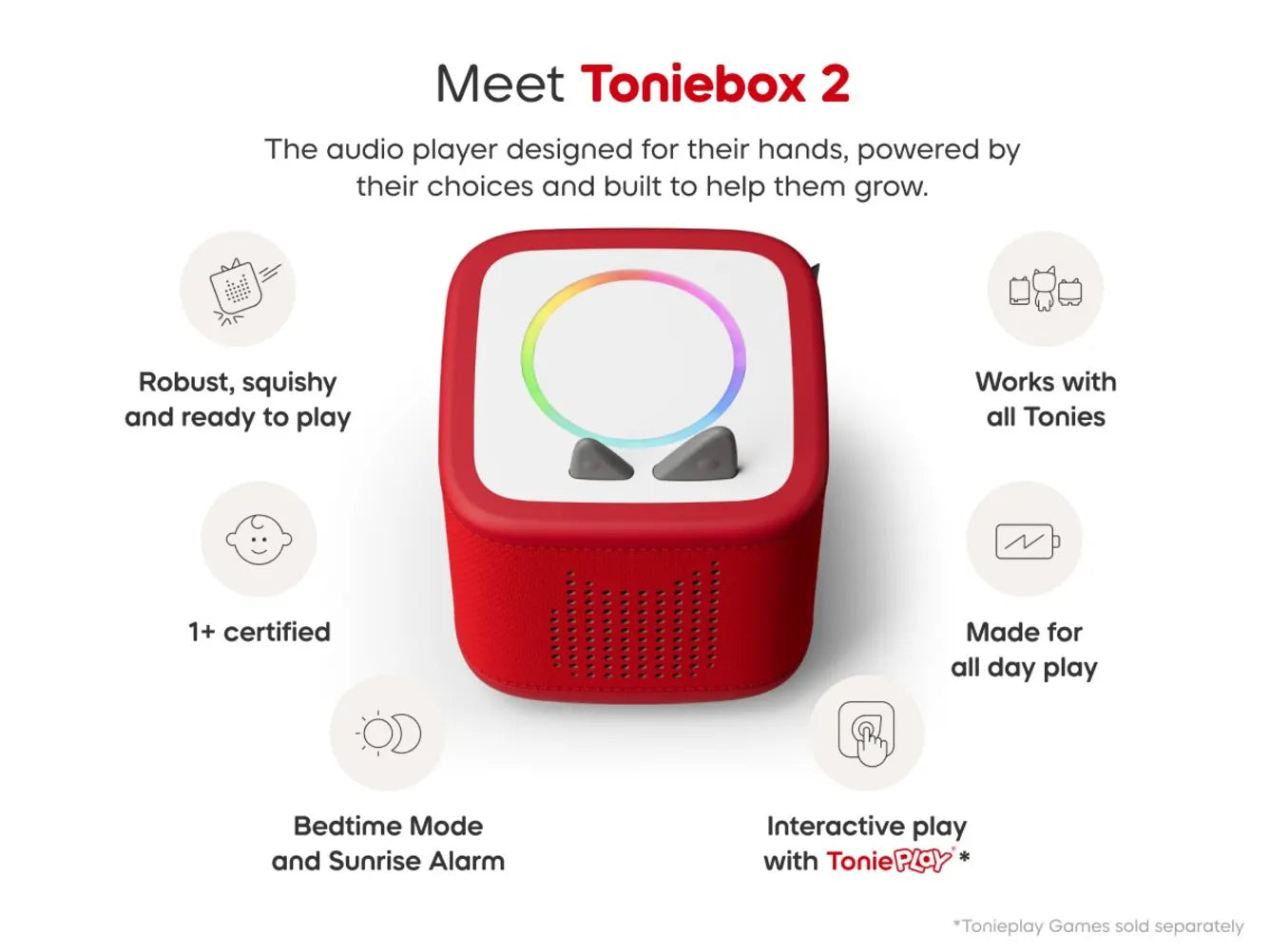
The Toniebox has already become one of the most popular children’s audio players in the UK, and the second generation builds on what made the original so successful. It keeps the same soft, child-friendly design and simple controls that younger children can easily understand, but adds a few thoughtful updates, including USB-C charging, a new dynamic light ring, improved storage, and an interactive audio feature called Tonieplay.
If you’re considering an audio player for your child, the Toniebox 2 offers a mix of stories, songs, educational content and interactive play, all without needing a screen. As a parent testing it, though, the big question is the same one most families ask before buying: is it actually worth it?
In this guide, I’ll walk through how the Toniebox 2 works, what’s changed compared with the original model, and whether it’s something that could work well for your family.
What is the Toniebox 2?
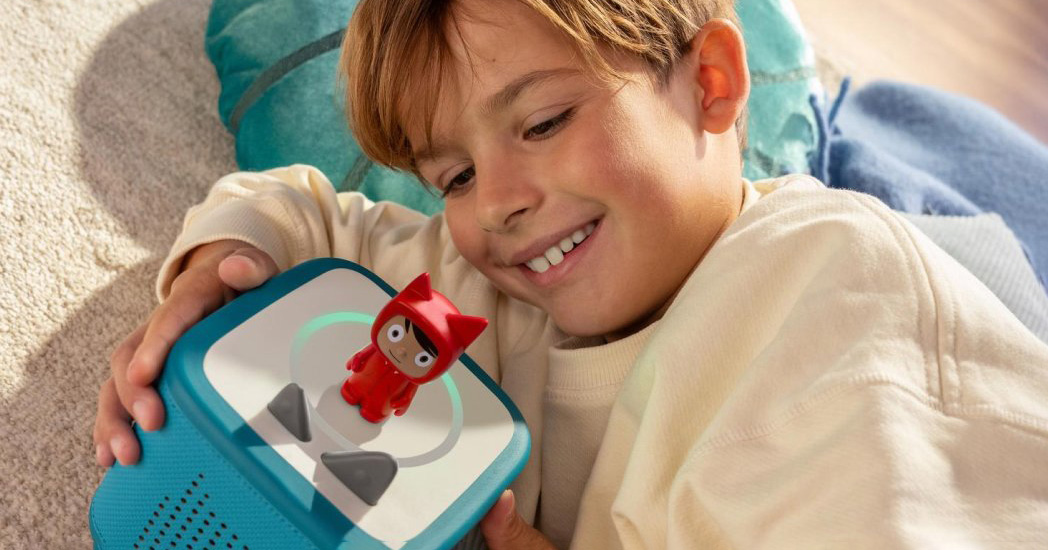
At its core, the Toniebox 2 is a screen-free audio player designed for children roughly aged one to nine. What I really noticed while testing it is how different it feels compared with most children’s tech. There are no menus to scroll through and no screens to tap. Instead, children simply place a small figurine, called a Tonie, on top of the box to start listening.
Each Tonie contains its own audio content, whether that’s songs, audiobooks, or stories. As soon as the figure is placed on the Toniebox, the audio starts playing automatically. It’s a very simple idea, but it works brilliantly in practice because even very young children quickly understand how it works.
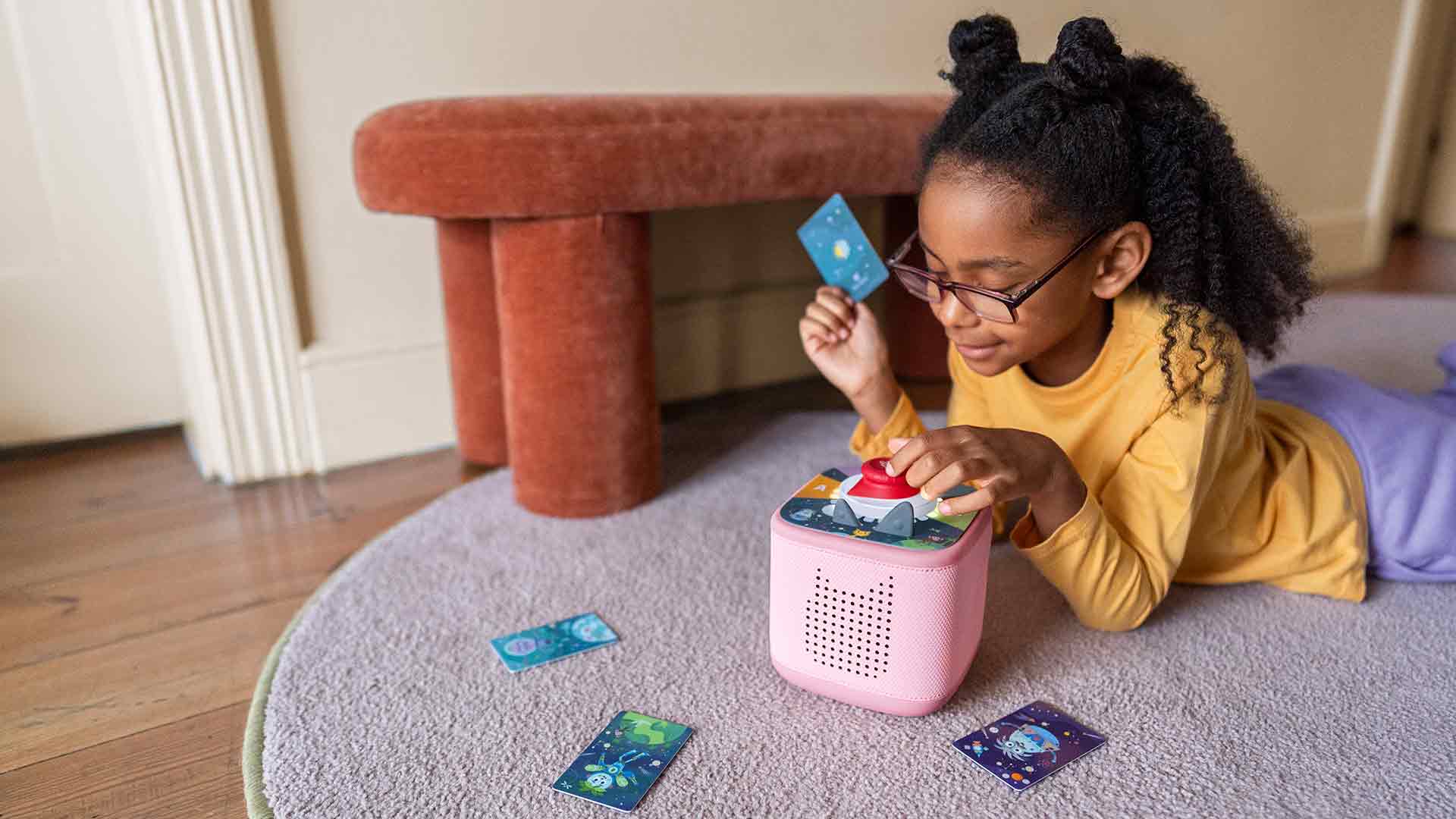
The controls are all physical too, which is something many parents will appreciate. Children squeeze the soft ears on top of the box to change the volume, tap the sides to skip tracks, and tilt the box to fast-forward or rewind through stories. It feels playful rather than technical, which makes it much easier for younger children to use on their own.
Parents handle the setup through the tonies mobile app, which connects the Toniebox to Wi-Fi and lets you manage content and settings. After the initial setup though, children can largely use it independently.
One thing I found particularly useful is that once a Tonie’s content has been downloaded to the device, it can be played completely offline. That means the Toniebox works just as well for car journeys, holidays, or bedtime listening without needing an internet connection.
What’s New in the Toniebox 2?
At first glance, the Toniebox 2 looks very similar to the original version, which is actually a good thing because the design already worked so well for children. After using it though, it becomes clear that the updates go beyond just looks. The new model introduces several practical improvements that make it easier to use day to day and a bit more future-proof for families.
One of the most noticeable changes is the switch to USB-C charging. The original Toniebox used a charging base, whereas the Toniebox 2 can now simply be plugged in with a cable, which feels much more convenient and in line with most modern devices. Storage has also increased significantly, moving from 8GB to 32GB, meaning many more Tonies can be stored on the device at once before anything needs to be removed.
There are also some new features aimed at making the Toniebox part of a child’s daily routine rather than just something they use for stories. The Toniebox 2 now includes bedtime tools such as a sleep timer and a sunrise alarm, which can help build a calm listening routine before sleep. The new dynamic light ring is another addition, giving visual feedback while the box is in use and playing a role in some of the newer interactive features.
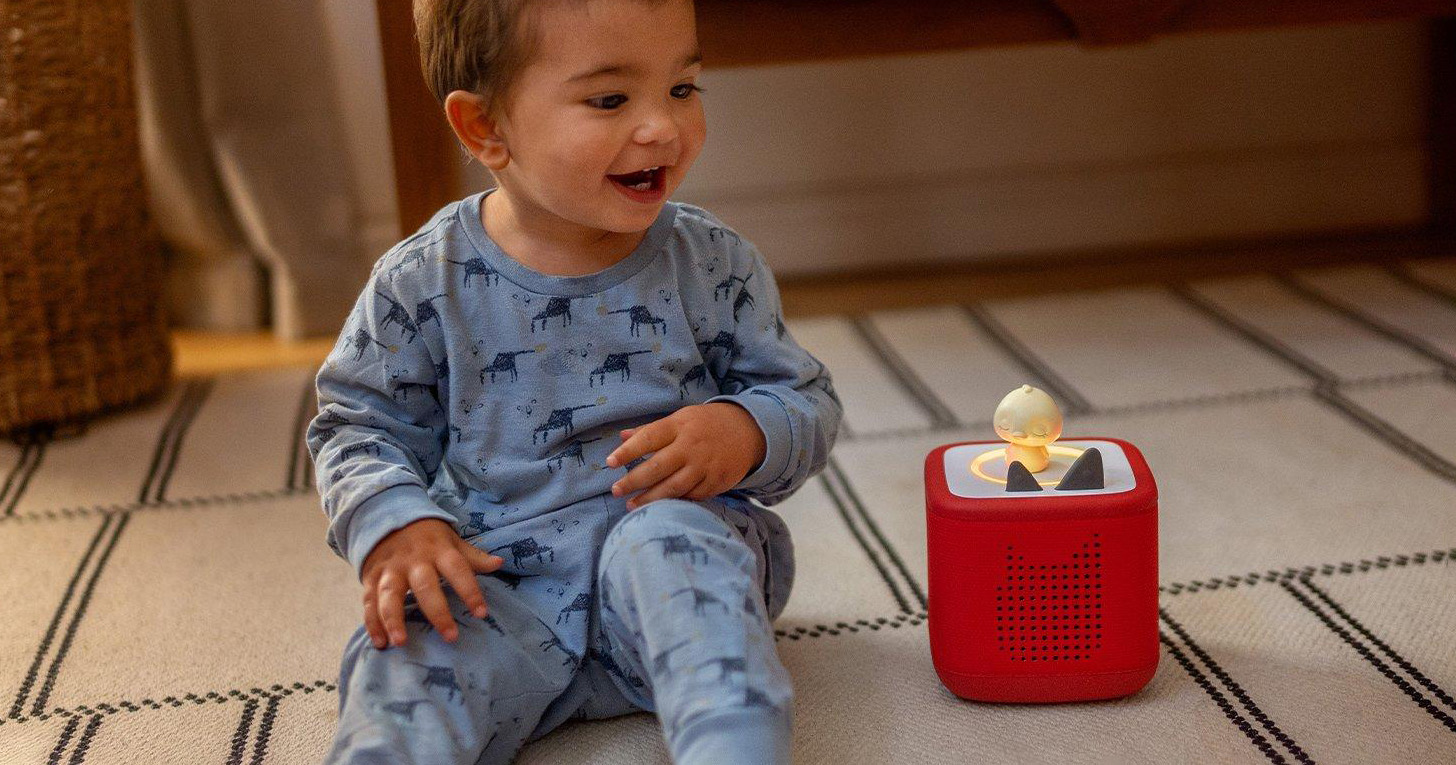
Probably the most interesting update, though, is something called Tonieplay. This turns the Toniebox 2 into a screen-free interactive experience where children can take part in story adventures, answer questions and solve puzzles using a small physical controller. It’s a clever way of adding a more interactive element while still keeping the whole experience completely screen-free.
Design and Build Quality
One of the things that has always made the Toniebox stand out is its child-focused design, and that continues with the second generation. When you first pick it up, it doesn’t really feel like a piece of technology at all. It’s much closer to a soft toy than a traditional speaker, which is exactly what makes it so approachable for younger children.
The cube-shaped speaker is wrapped in a soft fabric, with the now well-known silicone ears on top that double as the volume controls. After using it around children, it’s clear the materials have been chosen with everyday family life in mind. It’s designed to handle being squeezed, dropped, carried around the house, and generally treated like a toy rather than a delicate gadget. According to tonies, the fabric uses vegan raw materials and is tested to Oeko-Tex Standard 100, meaning it has been checked for harmful substances.
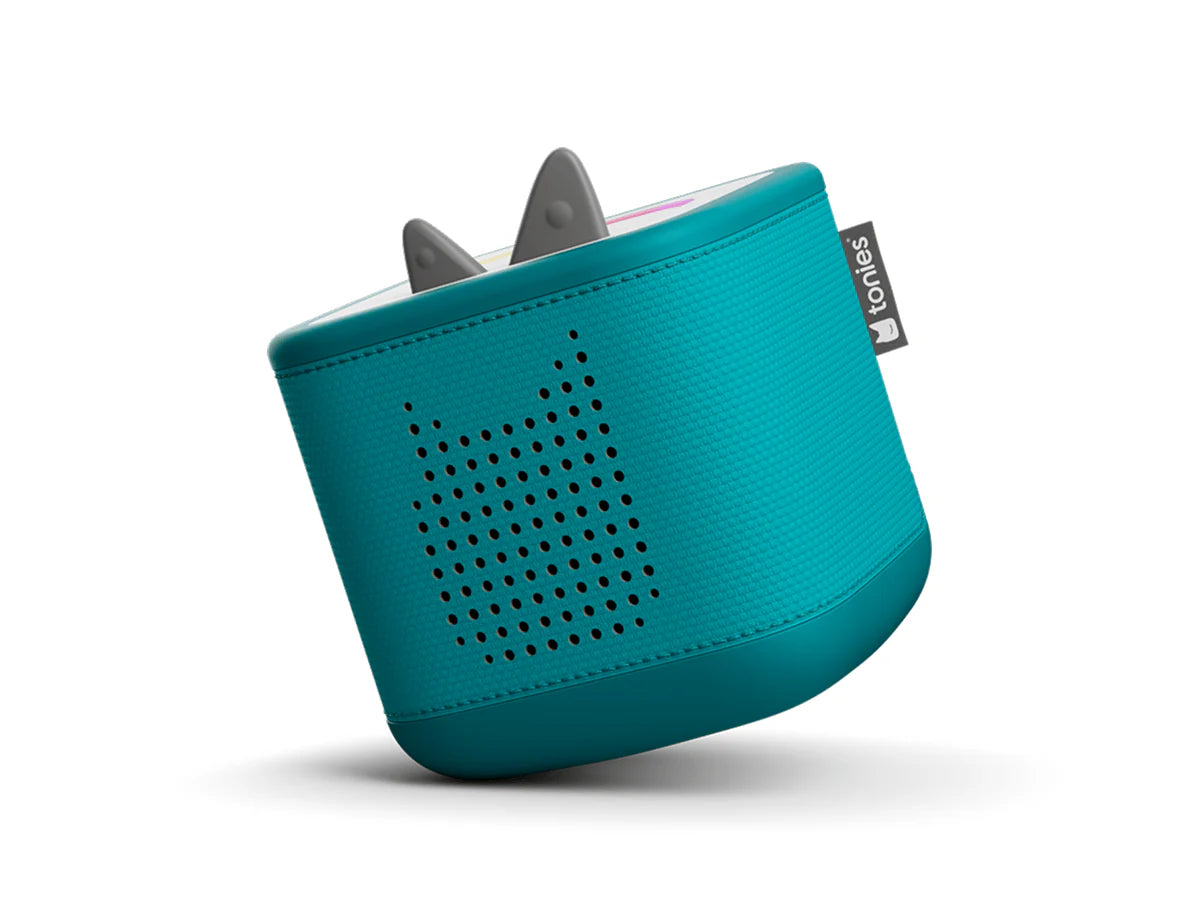
Inside, the structure is more robust than the soft exterior might suggest. The internal frame uses durable materials such as ABS and polycarbonate, which help the Toniebox feel solid without making it too heavy for little hands to carry around. As a parent testing it, it feels reassuringly sturdy, but still lightweight enough for younger children to move from room to room.
One thing parents should be aware of is that the system uses magnets to hold the Tonie figures in place on top of the box. It works really well in practice, but tonies does advise keeping the figures away from devices such as pacemakers or magnetic-sensitive items like credit cards.
Colours Available
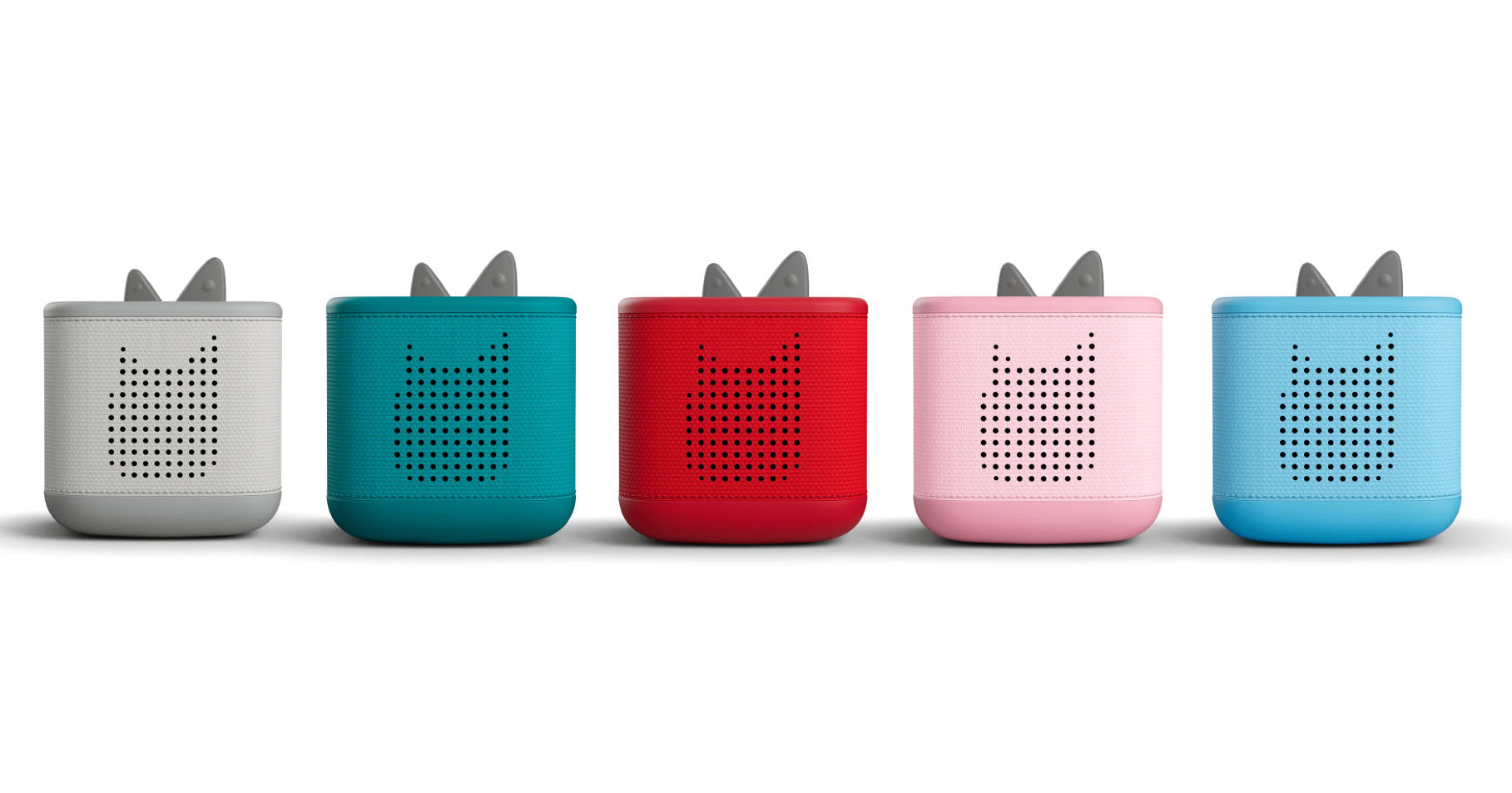
The Toniebox 2 is currently available in five different colour options: Cloud Pink, Sky Blue, Moon Grey, Tropical Teal and Sunset Red.
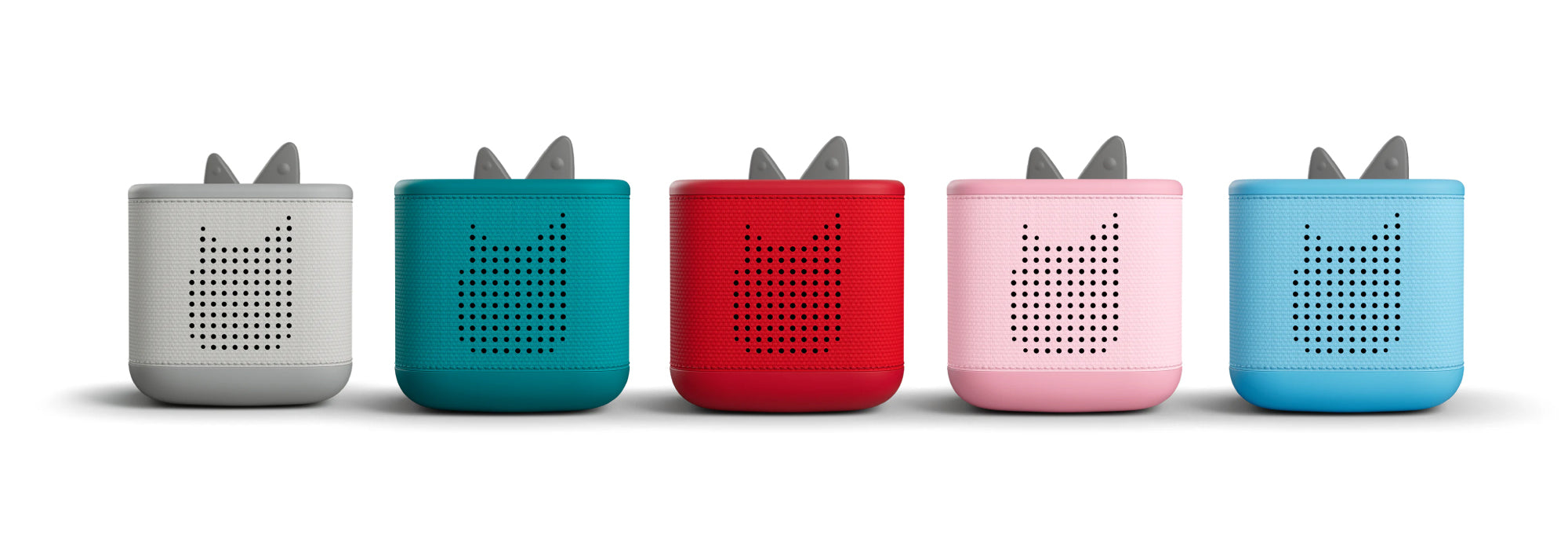
They’re bright and fun enough to appeal to children, but they’re not overly loud or plastic-looking, so they still fit nicely into a bedroom or playroom without standing out too much. After seeing them in person, the colours feel thoughtfully chosen rather than just typical toy colours.
Audio Quality
The Toniebox isn’t designed to compete with music speakers, and that’s really not its purpose. It’s built primarily for storytelling, so the sound profile focuses much more on clear voices and easy listening rather than deep bass or powerful music playback.
With the Toniebox 2, tonies has introduced an updated speaker design that improves overall clarity and allows the volume to go slightly louder than the original model if needed. In practice, that means stories sound crisp and easy to understand, even when there’s background noise in the room. According to tonies, the speaker has also been tuned to deliver a more balanced sound across both stories and songs.
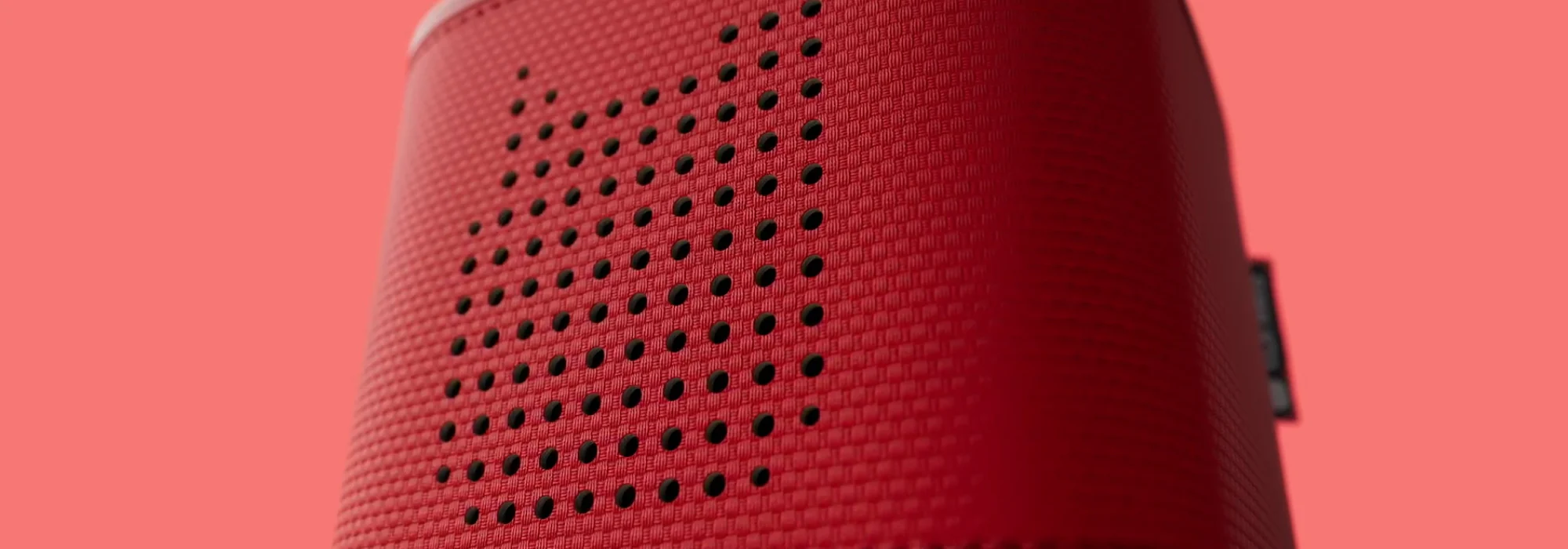
For context, the original Toniebox had published speaker specifications of around 3W to 5W output with a frequency range of roughly 180–15kHz. While tonies hasn’t focused heavily on technical numbers for the second generation, it gives a general idea of the level of audio performance this type of children’s device is designed for.
In everyday use, the Toniebox 2 sounds exactly how you’d want it to for children’s listening. Voices come through clearly, music sounds pleasant, and the volume is easily strong enough to fill a bedroom or living room without ever feeling too loud or overwhelming.
The Tonies Ecosystem
Where the Toniebox really stands out is in the way its content works. Instead of scrolling through digital libraries or selecting playlists on a screen, children collect physical characters, known as Tonies, that each contain their own stories or songs.
In practice, it’s incredibly simple. When a child places a Tonie on top of the box, the associated audio starts playing straight away. There’s no menu to navigate or buttons to press, which is a big part of why younger children quickly get the hang of it.
The range of Tonies available is also one of the biggest strengths of the system. There are now more than 250 different characters available, covering a wide mix of stories, songs and educational content. Many of them feature well-known children’s brands and characters that kids already recognise.
Some of the most popular Tonies include favourites such as:
Disney characters
Peppa Pig
Paddington Bear
Julia Donaldson stories
Paw Patrol adventures
Once a Tonie has been played for the first time, the content downloads directly to the Toniebox. After that, children can listen to it again whenever they like, even without an internet connection. That makes it especially useful for travel, car journeys, or simply for listening around the house without needing Wi-Fi.
Creative Tonies
Many Toniebox starter sets come with what’s called a Creative Tonie. Instead of coming with pre-loaded stories or songs, this figure allows parents to upload their own audio content.
Each Creative Tonie provides around 90 minutes of recording space, which can be filled through the tonies app. In practice, this opens up quite a few possibilities. Some families upload favourite bedtime stories, others add songs their children already love, and many use it to record messages or stories from grandparents and relatives.
For younger children especially, hearing a familiar voice reading a story can be surprisingly powerful. It can turn the Toniebox into a much more personal part of the bedtime routine, particularly if family members don’t live nearby.
Tonieplay: Interactive Audio Games
One of the biggest new additions to the Toniebox 2 is something called Tonieplay. While the original Toniebox focused purely on listening to stories and songs, Tonieplay introduces a more interactive experience for children.
Instead of just pressing play and listening, children can actually take part in story adventures. They might be asked to answer questions, solve simple puzzles, or make choices that move the story forward. Everything is guided through audio instructions, along with visual cues from the Toniebox’s light ring, so children can follow along without needing a screen.
To use Tonieplay, families need a separate controller and game discs, which work together with the Toniebox 2. It’s also worth noting that Tonieplay is only compatible with the second-generation Toniebox, not the original model.
Because of that, it’s one of the main features that may influence families who are deciding between the first Toniebox and the newer Toniebox 2.
Battery and Charging
One of the most practical upgrades with the Toniebox 2 is the change to USB-C charging. The original Toniebox used a dedicated charging base, but the new version simply charges using a standard USB-C cable.
In everyday use, this actually makes things much easier. It means you can charge the Toniebox using the same type of charger many families already have for phones, tablets or other devices. It also makes it more convenient for travel, as it can be powered from portable battery packs if needed.
The Toniebox 2 uses a replaceable lithium iron phosphate battery, which is designed to last longer and help extend the overall lifespan of the device. That’s a reassuring detail for parents who want something that can be used for several years rather than replaced quickly.
A full charge takes around three hours, but even a quick ten-minute charge can provide roughly forty-five minutes of playback. In normal use, the battery typically lasts up to around eight hours of listening, depending on the volume level and how often it’s being used.
Toniebox 2 vs Toniebox 1
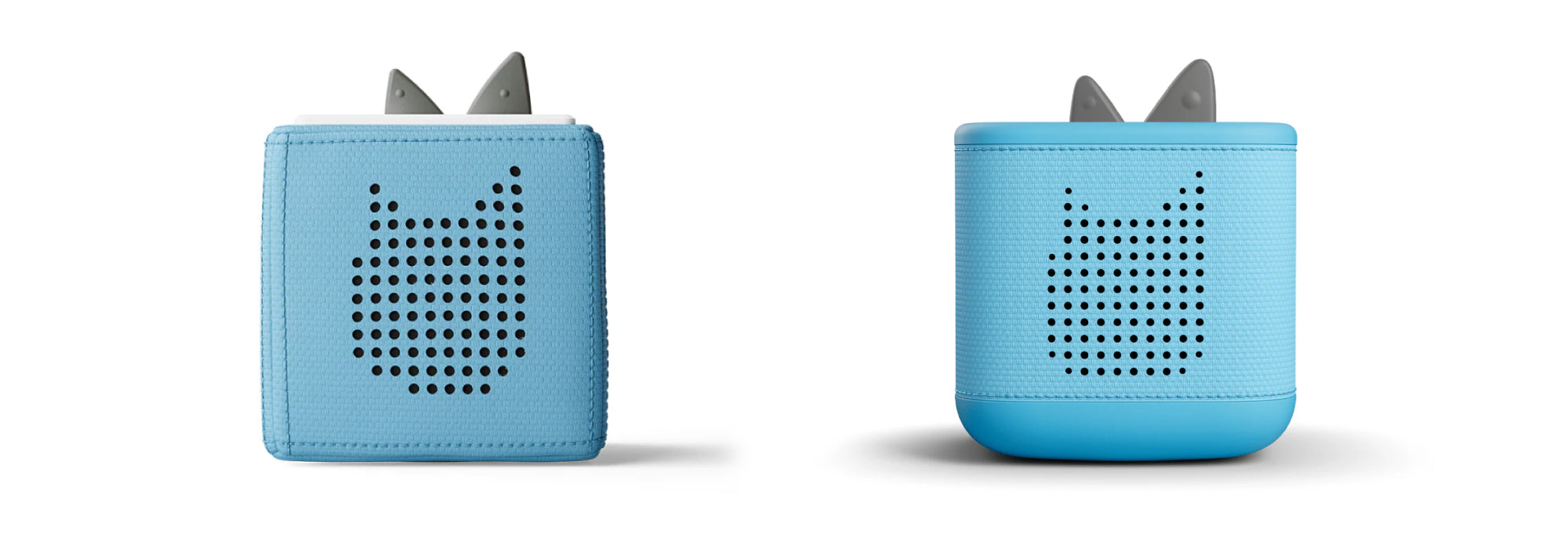
For many parents, the key question is whether the second generation is worth choosing over the original. The following table highlights the most important differences.
Category | Toniebox 2 | Toniebox 1 |
|---|---|---|
Age rating | 1+ | 3+ |
Storage capacity | 32GB | 8GB |
Charging | USB-C | Charging station |
Battery type | Replaceable LiFePO4 | Built-in NiMH |
Battery life | Up to ~8 hours | Up to ~7 hours |
Play while charging | Only in 3+ mode | Yes |
Wi-Fi | 2.4 GHz + 5 GHz | 2.4 GHz only |
Tonie compatibility | Works with all Tonies | Works with all Tonies |
Tonieplay | Yes | No |
Bedtime features | Sleep timer, sunrise alarm, light ring | Not available |
Headphones | Bluetooth or USB-C solutions | 3.5mm headphone jack |
Dimensions | 130 × 130 × 126 mm | 120 × 120 × 120 mm |
Weight | 815 g | 600 g |
Overall, the Toniebox 2 offers more storage, modern charging, new bedtime features and support for Tonieplay games.
Pricing in the UK
In the UK, the Toniebox 2 starter set is typically priced at £99.99. This version is the one most families choose when buying their first Toniebox, as it includes both the Toniebox and a Creative Tonie, allowing you to upload your own stories, songs or recordings straight away.
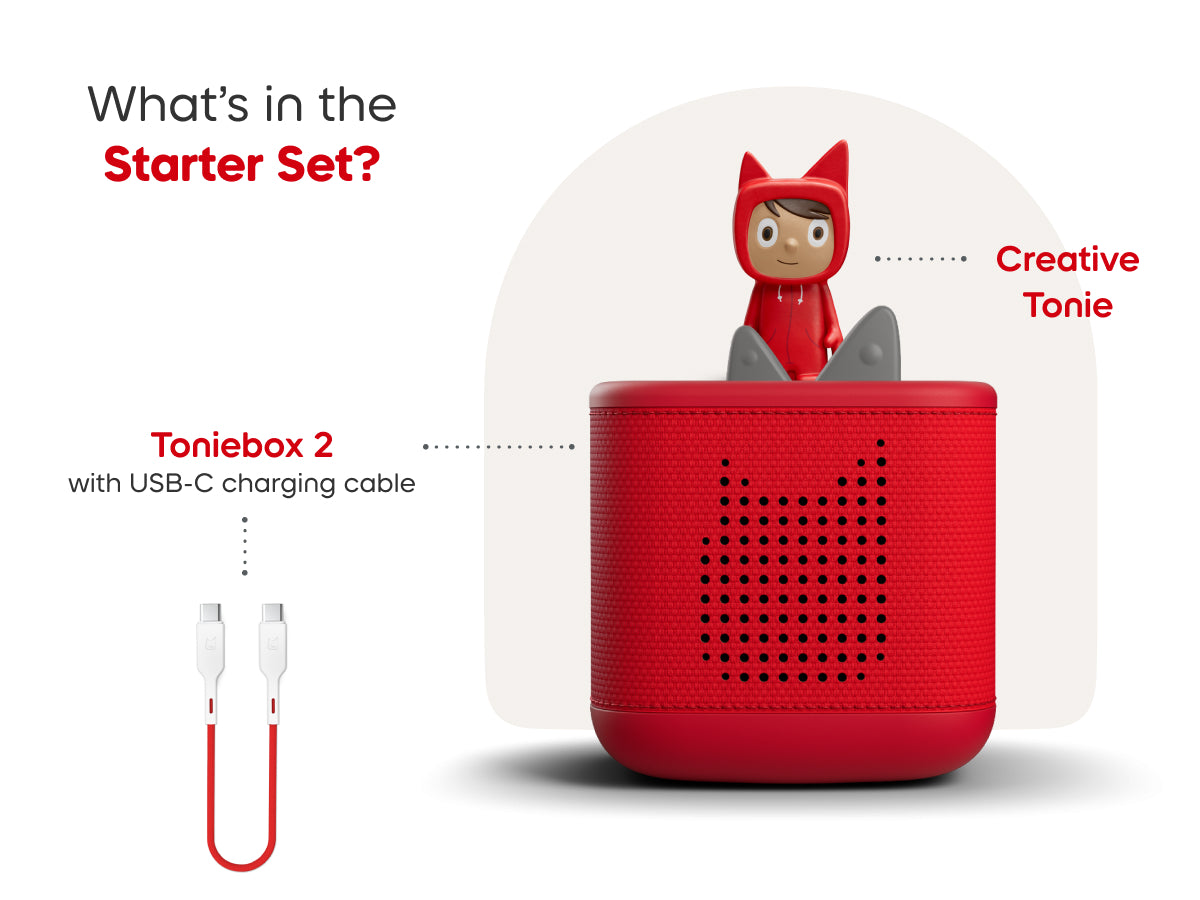
Tonies also sells the Toniebox 2 on its own for £94.99, which is slightly cheaper. The reason for the lower price is that this version does not include a Creative Tonie, meaning it’s simply the box and charging cable.
For families starting from scratch, the starter set is usually the better choice, as it gives you everything needed to begin using the system immediately.
Pros and Cons
After spending time with the Toniebox 2, it’s easy to see why so many families like the idea of it as a screen-free entertainment option.
One of its biggest strengths is how simple it is for children to use. The soft design, physical controls and Tonie figures mean even very young children can quickly understand how it works without needing help. The wide range of stories, songs and educational content is another big advantage, and once the audio has downloaded, the Toniebox can be used completely offline. The addition of Tonieplay also brings a new level of interactive play that wasn’t available with the original version.
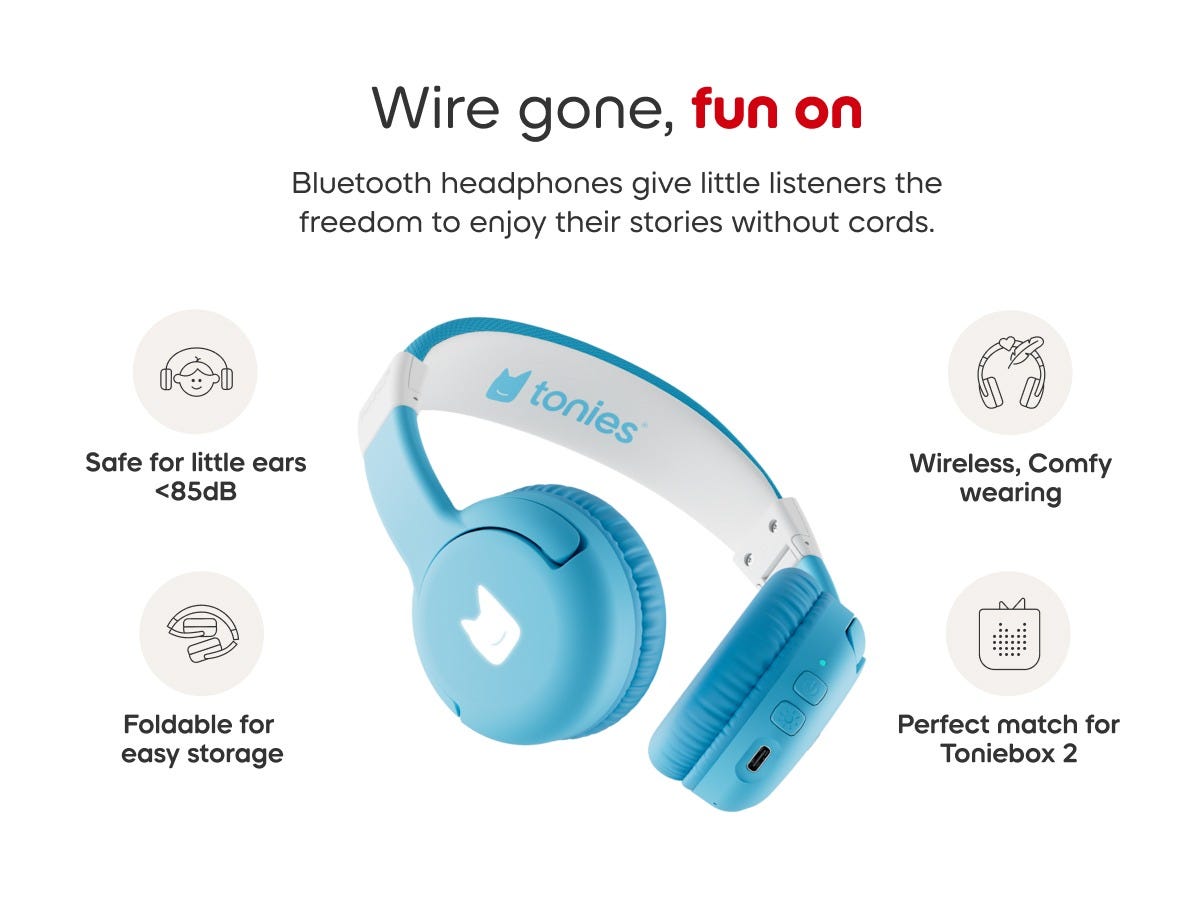
That said, there are a couple of things parents should keep in mind. The system itself is reasonably priced, but as children start to build a collection of Tonies, the overall cost can add up over time. Another change with the Toniebox 2 is the removal of the headphone jack, which may be inconvenient for families who prefer using wired headphones for quiet listening.
Final Verdict
After testing the Toniebox 2, it’s easy to understand why it has become such a popular choice for families. It brings together storytelling, music and imaginative play in a way that genuinely feels designed with young children in mind. The physical controls are simple, the characters make the experience engaging, and most importantly, children can use it independently without needing a screen.
For parents looking to reduce screen time while still giving children something entertaining and engaging, the Toniebox 2 does a really good job. The updates over the original model also make it a more practical choice for new buyers. Features like the larger storage, USB-C charging and support for Tonieplay help make it feel more future-ready as the platform continues to grow.
It’s worth keeping in mind that the cost of collecting Tonies can add up over time, especially if children start asking for lots of different characters. That said, many families find the Toniebox becomes something children use every day — whether that’s listening to stories, playing quietly, or winding down at bedtime.
If you’re looking for a way to replace some screen time with something a little more creative and hands-on, the Toniebox 2 is a very appealing option to consider.